According to the stereotype, Asians love to gamble. While that may be true to a certain extent, residents of China and similar nations can’t hold a candle to Australia when it comes to punting. According to Las Vegas Advisor, an article by The Economist named Aussies “the world’s biggest gamblers,” with an estimated annual loss of $990 per adult. And according to another report, the online side of the business is growing 15 percent year-over-year.
Any change to existing state policy toward gambling would be a massive departure from decades of opposition to any form of gambling, including lottery tickets, table games and sports betting. The Hoosier State defines gambling as “risking money or other property for gain, contingent upon lot, chance, or the operation of a gambling device,” and a computer used to play on a real money site meets the state’s definition of a gambling device.
For decades, the laws regarding gambling in Australia have been on the liberal side of things. A number of brick-and-mortar casinos dot the landscape, some of which also offer poker alongside table and electronic games. Slots and video poker machines (known locally as “pokies”) are perhaps the most popular, and their presence is a common sight in pubs and clubs across the nation.
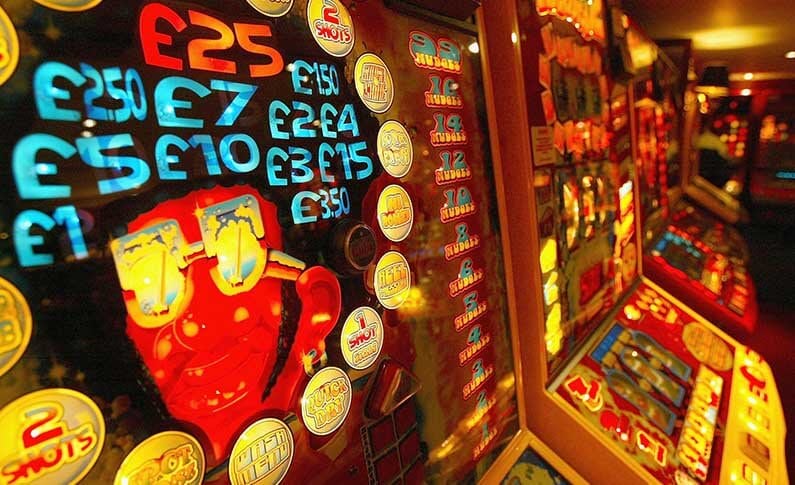
Recent Changes To Gambling Legislation Texas
For sports betting, the Totalisator Agency Board (TAB) allows both tote wagers and fixed-odds bets to be placed. There are nearly 3,000 retail TAB outlets in Australia, and their locations range from sprawling metropolitan areas to the more desolate regions of Oz. Bingo, or “housie” as it tends to be called, is also widely available.
Recent Health Care Legislation Changes
Betting at Internet casinos and poker rooms was supposed to be eliminated by the 2001 Interactive Gambling Act, although penalties were levied against gaming operators and not the players. This allowed Aussie citizens to continue to play with anyone who would accept their wagers, and there were plenty of offshore casinos willing to flaunt the law.